



Music
Our Music Champion: Mrs. Stammers
Our Music Development Plan 2024-25
Intent
Our music curriculum, following the National Curriculum for Music, develops pupils’ musicality through performing, composing, and listening. Children experience a wide range of musical genres, including diverse cultural and historical traditions, while building technical vocabulary, rhythm, pitch, and collaborative performance skills.
- To develop musicality through performance, composition, listening, and appraisal in line with the National Curriculum.
- To explore music from a variety of cultures, genres, and historical periods, promoting inclusion and diversity.
- To build confident use of musical vocabulary to describe, compare, and evaluate music.
- To provide enrichment opportunities that deepen musical understanding and enjoyment.
- To use Kapow to ensure structured skill progression across all strands.
Implementation
Music is delivered through six progressive Kapow units across the school year, aligned with the National Curriculum, supported by weekly Key Stage singing sessions and additional enrichment opportunities.
- Kapow lessons featuring singing, tuned and untuned instruments, creative composition, and listening activities.
- Weekly Key Stage singing sessions to reinforce vocal skills, pitch awareness, and ensemble singing.
- Exposure to diverse musical styles and traditions from around the world.
- Regular enrichment opportunities, including workshops, masterclasses, and visits from peripatetic music teachers.
- Performance opportunities in assemblies, productions, and to the local community, fostering confidence and pride.
- Emphasis on accurate musical vocabulary in discussions, reflections, and appraisals.
Impact
- Pupils demonstrate rhythmic, vocal, and instrumental control, both individually and collaboratively.
- Children use a broad musical vocabulary confidently to discuss, compare, and appraise music.
- Pupils gain awareness and appreciation of diverse musical traditions.
- Children develop enjoyment, confidence, and a sense of achievement in music-making through regular performance, singing, and enrichment experiences.
- Pupils’ skills are enhanced by access to peripatetic teaching and real-world performance opportunities, including community engagement.
We encourage children to take music further, by offering an After School Singing Club where children get the opportunity to learn a wider range of songs and are able to perform to the wider school community. We also offer individual lessons in Drumming, Keyboards and Guitar, with our peripatetic music teacher Chris Jopson. This is open for children in Yr 3 and above and so far 20% of our school are taking their music learning further this way.
Our approach to music in our school helps enable our children to Believe, Grow & Achieve by offering children chances to try, chances to achieve and lots of opportunities to shine.
Our Music Whole School Overview
Class Time allocated to subject
Music is taught as per the year overview. Teachers have the flexibility of how to teach the unit although it is recommended that they are taught over consecutive weeks. Lessons are approximately 45 minutes to 1 hour.
What does learning look like?
- Children’s learning is mainly shown in the sounds they create. Where appropriate there may be opportunities to save work on SeeSaw or the school server. These may be audio/video clips and/or written evidence of learning.
- Opportunities for performance are found throughout the year for example by inviting parents in at the end of a Music Unit, in assemblies or whole school celebrations at the end of Aut 1 and for Juniors at the end of Aut 2
- Musical vocabulary is threaded through each unit.
How do we monitor and ensure your child is making progress
Subject Champions are allocated time to hold Pupil discussions and staff are asked to provide examples of work. Staff also complete half-termly evaluation sheets to highlight areas of celebration and areas for further development.
Any Specific resources/equipment required
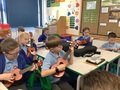
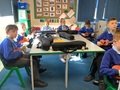
- Class set of Ukuleles
- Class set of Glockenspiels
- Percussion instruments
Opportunities for trips and field work to enhance learning
- Children have opportunities to listen to live music
- Children have the opportunity to perform for an audience.
How can you help your child further
- Instrumental lessons are available for children from the Lancashire Music Service.
- Provide children with a range of music from different genres (from Baroque to current day).
Galleries
Year 3 - Nightingales
Solos
Will Georgia Matilda & Emily William
Year 4 - Cuckoos
Mamma Mia Glockenspiel Performance
Year 6 - Magpies
Hollie. Jemima Jacob. Grace. Ella. Izzy.
Ukuleles Merry Christmas Everyone. Ukuleles Rudolph the Red Nosed Reindeer. Ukuleles Santa Claus is Coming to Town
Year 5 - Ukuleles